
May 22, 2026
Guid
Why Every Business Needs a High-Converting Website in 2026
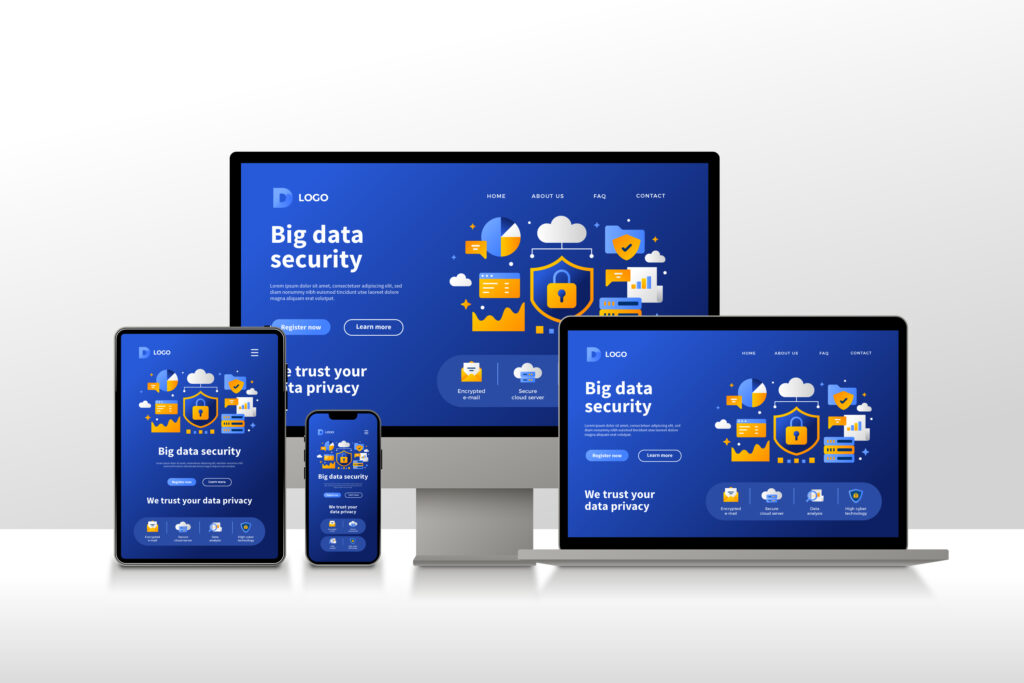
In 2026, a website has become primary revenue engine for most businesses. Customers rarely decide based on offline interactions alone anymore; instead, they judge credibility, trust, and value within seconds of landing on a website. Studies consistently show that users form an opinion about a website in less than a second, and nearly 88% of online users are less likely to return after a poor experience. Also, mobile devices now account for more than half of global web traffic, meaning businesses must deliver seamless performance across every screen size or risk losing potential customers instantly.
What has changed most significantly is both technology and user behavior. Today’s consumers expect fast-loading pages, clear messaging, and frictionless navigation. If a website feels outdated, slow, or confusing, users abandon it almost immediately and move to competitors. In fact, even a 1–3 second delay in page load time can increase bounce rates by over 30%, directly impacting conversions and revenue.
This shift has made websites a critical part of every marketing strategy. They actively drive leads, sales, and customer trust. A poorly optimized website can undermine even the strongest marketing campaigns, while a high-converting website can multiply their effectiveness.
In this guide, we’ll explore why high-converting websites are essential in 2026, what makes them effective, and how businesses can turn their websites into powerful growth systems that consistently generate results.
What Is a High-Converting Website? Let’s Have A Look
A high-converting website is a strategically designed digital platform that turns visitors into measurable business outcomes such as leads, customers, bookings, or inquiries. Unlike traditional websites that focus mainly on visual presentation, conversion-focused websites are built around user behavior, psychology, and performance-driven design.
At its core, the purpose of a high-converting website is simple: guide the user toward taking action with as little friction as possible. Every element, from layout to content structure to call-to-action placement, is designed with a specific conversion goal in mind.
Definition of a High-Converting Website – Let’s Understand
A high-converting website is one that successfully persuades a visitor to complete a desired action, such as filling out a form, making a purchase, or booking a service. These actions, known as conversions, are the foundation of digital growth. Unlike static websites, conversion-optimized websites are continuously structured to:
- attract the right audience
- keep users engaged
- build trust quickly
- and guide them toward action
Why Traditional Websites No Longer Work? Here’s the Answer
Traditional websites were often built as online brochures, informational but not performance-driven. In 2026, this approach is no longer effective because user expectations and competition have evolved significantly.
Traditional Website | High-Converting Website |
Focused on visuals | Focused on user actions |
Static content pages | Strategically structured journeys |
Weak or unclear CTAs | Clear conversion pathways |
Limited mobile optimization | Mobile-first design approach |
Minimal SEO integration | SEO + UX aligned structure |
Low engagement focus | Behavior-driven optimization |
Traditional websites often fail because they do not guide users toward a decision. Instead, visitors are left to figure things out on their own, which increases drop-offs and reduces conversions. Modern websites must actively lead users through a structured experience that builds interest, trust, and action readiness.
The Relationship Between UX, SEO & Conversions
User experience (UX), search engine optimization (SEO), and conversion optimization are no longer separate disciplines, they are deeply interconnected.
- A fast-loading website improves user satisfaction and reduces bounce rates, which indirectly improves SEO rankings.
- A well-structured layout helps search engines understand content better while making navigation easier for users.
- Clear messaging and strong UX design increase trust, which directly improves conversion rates.
- Engaging content increases dwell time, signaling quality to search engines and improving visibility.
Together, these elements form the foundation of a high-performing website. When aligned properly, they create a system where traffic, engagement, and conversions all reinforce each other, leading to consistent business growth.
Why Businesses Need High-Converting Websites in 2026 – A Detailed Analysis
The role of a business website has fundamentally changed over the last few years. It is no longer just a digital presence or an optional marketing asset, it has become the central point where customers evaluate credibility, compare alternatives, and make purchase decisions. In 2026, businesses that fail to optimize their websites for conversions are effectively losing customers before they even get a chance to engage with them.
Several forces are driving this shift, including faster consumer decision-making, mobile-first browsing behavior, increased competition, and the rise of AI-powered digital experiences. Together, these changes have made high-converting websites a necessity rather than an advantage.
1. Consumer Behavior Has Changed Completely
Modern consumers behave very differently compared to even a few years ago. They no longer spend time exploring multiple pages or waiting for information. Instead, they make quick judgments based on first impressions.
a) Users Make Decisions Within Seconds
When a user lands on a website, they immediately evaluate:
- Does this look trustworthy?
- Is this relevant to my problem?
- Can I find what I need quickly?
If the answer is unclear, they leave. This behavior means businesses have a very short window to establish value and credibility. A high-converting website ensures that key messaging, visuals, and calls-to-action communicate value instantly.
b) Customers Rely Heavily on Online Research
Before contacting any business, users typically conduct detailed online research. This includes:
- Checking service pages
- Reading testimonials
- Comparing pricing or packages
- Reviewing portfolios or case studies
This means your website is often your first and only chance to influence their decision. If it fails to communicate trust and clarity, potential customers move to competitors without hesitation.
2. Websites Have Become Primary Sales Assets
In 2026, websites are no longer passive platforms, they actively function as sales systems. For many businesses, especially in service-based and digital industries, the website is the main source of leads and conversions. Instead of relying only on sales teams or offline marketing, businesses now depend on their websites to:
- Generate qualified leads through forms and landing pages
- Convert visitors into paying customers
- Drive consultation bookings and inquiries
- Build long-term brand trust and authority
- Educate users about services and solutions
This shift means that a poorly optimized website directly impacts revenue performance. Even with strong traffic, weak conversion structure results in lost opportunities.
3. Mobile-First Experience Is No Longer Optional
Mobile browsing has become the dominant way users interact with websites. Whether searching for services, products, or information, most users now rely on smartphones rather than desktops. This creates a major expectation shift, websites must be designed primarily for mobile users, not adapted as an afterthought.
Key Mobile Expectations:
- Instant loading without delays
- Easy-to-read content without zooming
- Simple, thumb-friendly navigation
- Fast access to contact or purchase options
If a website fails on mobile, users rarely return. This makes mobile optimization one of the strongest conversion factors in modern web design.
Poor Mobile Experience | High-Converting Mobile Experience |
Slow page loading | Optimized speed performance |
Hard-to-read text | Clear responsive typography |
Cluttered layout | Clean mobile-first design |
Difficult navigation | Simple touch-friendly menus |
Low engagement | Higher session duration & conversions |
A strong mobile experience doesn’t just improve usability, it directly increases conversions by removing friction from the user journey.
4. Rising Competition Across Every Industry
No matter the industry, competition online has intensified significantly. Businesses are no longer competing only with local providers, they are competing with highly optimized digital brands. This includes:
- Local service businesses competing with agencies
- eCommerce stores competing with global platforms
- SaaS companies competing in saturated markets
In such an environment, website quality becomes a key differentiator. Even if two businesses offer similar services, the one with a better website experience will consistently win more customers. A high-converting website gives businesses an edge by:
- Building stronger trust signals
- Communicating value more clearly
- Reducing user hesitation
- Improving engagement time
- Increasing conversion likelihood
5. AI and Personalization Are Reshaping User Expectations
Artificial intelligence has significantly changed how users interact with websites. Visitors now expect more personalized and responsive experiences rather than static content.
Key AI-Driven Expectations:
- Content tailored to user intent
- Smart product or service recommendations
- Instant chatbot assistance
- Dynamic CTAs based on behavior
- Predictive user journeys
These features help businesses guide users more effectively through the conversion funnel. Instead of offering a one-size-fits-all experience, websites can now adapt in real time based on user behavior.
This shift is pushing businesses toward smarter, data-driven websites that not only attract visitors but actively convert them through personalization and automation.
Core Elements of a High-Converting Website
A high-converting website is not built on design alone. It is the result of multiple strategic components working together to guide users, reduce friction, and encourage action. In 2026, businesses that understand these core elements are able to consistently turn traffic into measurable results, while others struggle with high bounce rates and low engagement. Below are the essential building blocks that define a truly high-converting website.
1. Fast Loading Speed and Technical Performance
Website speed has become one of the most important factors influencing user engagement and conversions in 2026. Modern users expect websites to load instantly, and even minor delays can create frustration, reduce trust, and increase abandonment rates significantly. A slow website often creates a poor first impression that directly impacts business credibility.
Fast-loading websites provide a smoother browsing experience, helping users interact with content more comfortably and efficiently. Improved performance also increases time spent on site, supports better search engine visibility, and creates stronger engagement signals. Website speed now directly affects conversions and revenue growth.
2. Conversion-Focused Website Structure
A high-converting website is carefully designed to guide visitors through a structured journey rather than overwhelming them with scattered information. Every section is strategically placed to help users move from awareness to interest, trust, and finally toward taking action without confusion or friction.
This structured approach ensures users clearly understand the value of a business, the solutions being offered, and the next steps they should take. When website architecture aligns with user behavior and decision-making patterns, visitors naturally engage more deeply and are far more likely to convert into customers or leads.
3. Clear and Strategic Calls-to-Action (CTAs)
Calls-to-action play a critical role in converting website visitors into leads or customers. They act as clear directional prompts that encourage users to take meaningful actions such as requesting a quote, booking a consultation, or contacting the business. Without strong CTAs, users often leave the website without engaging further.
Effective CTAs are strategically positioned throughout the website instead of appearing only at the end of a page. High-converting websites place them near important decision-making points, trust-building sections, and key value propositions to ensure users always have a clear next step available during their browsing journey.
4. User Experience (UX) and Navigation
User experience determines how easily visitors can interact with and navigate a website. If users struggle to locate information or understand the layout, they are much more likely to leave before converting. A strong UX focuses on simplicity, intuitive design, and frictionless browsing experiences.
Clear navigation structures, organized content hierarchy, and consistent layouts help users move through the website comfortably. When visitors can quickly find what they are looking for without confusion, engagement improves significantly, leading to higher conversion rates and stronger overall customer satisfaction.
5. SEO-Optimized Content Structure
A high-converting website must not only attract visitors but also ensure the content is structured effectively for both search engines and users. SEO-optimized content improves discoverability while helping users engage with information more efficiently after landing on the website.
Proper headings, keyword-focused organization, readable formatting, and search intent alignment all contribute to stronger performance. When SEO and conversion optimization work together, businesses attract more qualified traffic and increase the likelihood of turning visitors into actual leads or customers.
6. Trust Signals That Influence User Decisions
Trust is one of the strongest psychological factors influencing online conversions. Users are far more likely to engage with a business when they feel confident about its credibility, professionalism, and past performance. Without trust, even visually attractive websites often struggle to generate consistent conversions.
Elements such as testimonials, case studies, verified reviews, certifications, and secure browsing indicators help reduce uncertainty during the decision-making process. These trust signals reassure users that the business is legitimate and reliable, making them more comfortable taking action on the website.
7. Mobile Responsiveness and Cross-Device Experience
Mobile responsiveness has become essential as the majority of website traffic now comes from smartphones and tablets. A high-converting website must provide a seamless experience across all devices, ensuring content remains accessible, readable, and easy to interact with regardless of screen size.
Responsive websites automatically adapt layouts, navigation, and content elements for different devices. This improves usability and reduces frustration for mobile users, ultimately increasing engagement and conversions. Businesses that fail to optimize for mobile risk losing a significant portion of potential customers.
8. Content That Supports User Intent
Content plays a major role in influencing user decisions and supporting conversions. High-converting websites create content that directly addresses user questions, pain points, and expectations instead of simply promoting services without context or clarity.
Effective content clearly explains solutions, highlights benefits, removes confusion, and guides users toward informed decisions. When businesses align their messaging with actual user intent, visitors feel better understood and are naturally more likely to trust the brand and complete desired actions.
Element | Role in Conversions |
Website Speed | Reduces bounce rate and improves engagement |
CTAs | Guides users toward action |
UX Design | Improves navigation and usability |
SEO Structure | Attracts qualified traffic |
Trust Signals | Builds credibility and confidence |
Mobile Optimization | Ensures accessibility across devices |
Content Strategy | Influences decision-making |
How High-Converting Websites Increase Revenue
A high-converting website is not just a digital asset, it is a revenue engine. In 2026, businesses are increasingly realizing that website performance directly determines how effectively their marketing budget turns into actual customers. Even with strong traffic from SEO, paid ads, or social media, a poorly optimized website can silently drain revenue by failing to convert visitors into leads or sales. A high-converting website multiplies the value of every marketing channel by turning more visitors into paying customers without increasing traffic costs.
1. Better Lead Generation Efficiency
A high-converting website captures leads throughout the entire user journey instead of relying on a single contact page. Strategically placed CTAs, optimized landing pages, and frictionless forms encourage users to take action naturally, helping businesses generate more qualified leads from the same amount of website traffic.
2. Higher ROI From SEO and Paid Advertising
A conversion-focused website improves the performance of every marketing channel by turning more visitors into actual customers. Whether traffic comes from SEO, PPC, social media, or email campaigns, optimized websites reduce wasted spend and generate stronger returns from existing marketing investments.
3. Improved Customer Trust Leads to Higher Conversions
Users are far more likely to contact or purchase from businesses that appear trustworthy and professional online. Strong branding, clear messaging, testimonials, case studies, and secure browsing experiences reduce hesitation and increase user confidence, ultimately leading to stronger conversion performance and higher customer engagement.
4. Lower Customer Acquisition Costs (CAC)
High-converting websites help businesses reduce customer acquisition costs by improving conversion efficiency. Instead of spending more on generating additional traffic, businesses maximize results from existing visitors by converting a larger percentage into leads or paying customers over time.
5. Stronger Conversion Funnel Performance
A modern website functions as a complete conversion funnel rather than just a collection of pages. High-converting websites guide users through awareness, trust-building, and action stages in a structured way, making the decision-making process smoother and significantly increasing conversion opportunities.
Website Performance Level | Business Impact |
Poor conversion website | High traffic with low revenue generation |
Average website | Moderate lead flow with inconsistent growth |
High-converting website | Strong ROI and consistent conversions |
Optimized funnel website | Predictable and scalable business growth |
6. Better Retargeting and Audience Value
High-converting websites improve retargeting performance by creating stronger audience engagement during the first visit. Users who interact meaningfully with content, services, or CTAs become more valuable remarketing audiences, helping businesses improve ad relevance, reduce costs, and increase repeat conversion opportunities.
7. Compounding Growth Over Time
Unlike short-term marketing campaigns, website optimization creates long-term business value that compounds gradually. As conversion rates improve and user behavior data becomes more refined, businesses achieve stronger marketing efficiency, higher profitability, and more sustainable growth from their digital presence over time.
Common Mistakes That Kill Conversions
Even in 2026, many businesses still lose a large percentage of potential customers due to avoidable website mistakes. These issues often don’t prevent traffic from arriving, but they quietly destroy conversions by creating friction, confusion, or lack of trust.
Understanding these mistakes is essential because fixing them often leads to immediate improvements in leads, inquiries, and sales without increasing traffic.
- Slow website performance that frustrates users
- Weak or unclear messaging that creates confusion
- Poor mobile responsiveness and usability
- No clear conversion path or CTA strategy
- Cluttered layouts and excessive visual distractions
- Missing trust signals like reviews or testimonials
- Content that ignores user intent and search behavior
- Poor SEO structure affecting visibility and engagement
- Lack of testing, tracking, and optimization strategy
Mistake | Impact on Business |
Slow performance | High bounce rates and lost traffic |
Weak messaging | Confused users and lower engagement |
Poor mobile UX | Reduced mobile conversions |
No CTA strategy | Fewer leads and weak user direction |
Cluttered design | Distracted users and lower focus |
Lack of trust signals | Reduced credibility and trust |
Ignoring user intent | Low relevance and high exit rates |
Poor SEO structure | Weak visibility and inconsistent traffic |
No optimization strategy | Stagnant performance over time |
Website Trends Defining 2026 – Keep A Keen Eye on Them
Websites in 2026 are evolving far beyond static pages and basic design principles. They are becoming intelligent, adaptive, and experience-driven systems that respond to user behavior in real time. Businesses that understand and adopt these trends are not only improving user experience but also significantly increasing conversions and customer retention.
These shifts are largely driven by advancements in AI, changes in search behavior, and rising user expectations for speed, personalization, and interactivity.
Website Trend | Impact on Modern Websites |
AI-powered personalization for dynamic user experiences | Delivers customized content, recommendations, and CTAs based on user behavior and preferences |
Conversational AI chat systems for instant assistance | Improves customer interaction by providing real-time support and guided navigation |
Interactive and immersive website experiences | Increases engagement through calculators, animations, filters, and dynamic user interaction |
Voice search optimization and natural language content | Helps websites rank better for conversational and question-based search queries |
Strong focus on Core Web Vitals and UX signals | Enhances website speed, usability, mobile performance, and overall user satisfaction |
Data-driven conversion optimization strategies | Uses analytics, heatmaps, and testing to improve conversions continuously |
Experience-first website design approaches | Prioritizes seamless user journeys, emotional engagement, and frictionless navigation |
How Digilite Solutions Helps You Build a High-Converting Website
We build websites that are powerfully appealing and strategically engineered to convert visitors into customers. Under our roof, are the designers that design websites with a clear focus on performance, user experience, SEO, and measurable business growth.
In 2026, your website is your most powerful sales asset and we make sure it works like one.
If your current website is not generating leads or converting traffic effectively, it’s time for a change.
Get in touch today:
Email us: info@digilitesolutions.net
The Run Down!
Consumer expectations have evolved, competition has intensified, and digital experiences now play a central role in every purchasing decision. Businesses that rely on outdated, slow, or poorly structured websites are losing valuable opportunities every single day.
A high-converting website ensures that every visitor is guided through a clear journey, from interest to trust to action. When combined with strong UX, SEO optimization, fast performance, and conversion-focused design, it becomes a powerful system that consistently generates leads and revenue.
Frequently Asked Questions
1. What is a high-converting website?
A high-converting website is a website designed to turn visitors into customers, leads, or inquiries. It focuses on user experience, clear messaging, fast performance, and strategic calls-to-action that guide users toward specific business goals.
2. Why is a high-converting website important in 2026?
In 2026, user expectations are higher than ever. People expect fast, mobile-friendly, and easy-to-navigate websites. A high-converting website ensures businesses do not lose potential customers due to poor design, slow speed, or unclear messaging.
3. How does website design affect conversions?
Website design directly impacts how users interact with your brand. A clean, structured, and user-friendly design builds trust and makes it easier for visitors to take action, increasing the chances of conversion significantly.
4. Can SEO alone improve website conversions?
No, SEO alone brings traffic, but conversions depend on website quality. A high-converting website combines SEO with UX, performance, and content strategy to turn traffic into actual business results.
5. How can I improve my website’s conversion rate?
You can improve conversion rates by optimizing page speed, improving mobile responsiveness, using clear CTAs, adding trust signals like testimonials, and ensuring your website is aligned with user intent and behavior.
About Us
Digilite Solutions is a leading digital marketing agency in Karachi, Pakistan, delivering global digital marketing solutions designed for measurable impact. By combining data driven marketing, advanced SEO services, PPC management, and creative branding, we help businesses achieve scalable growth.