May 17, 2026
Guid
SEO vs PPC in 2026: Where Should You Invest for Maximum ROI?
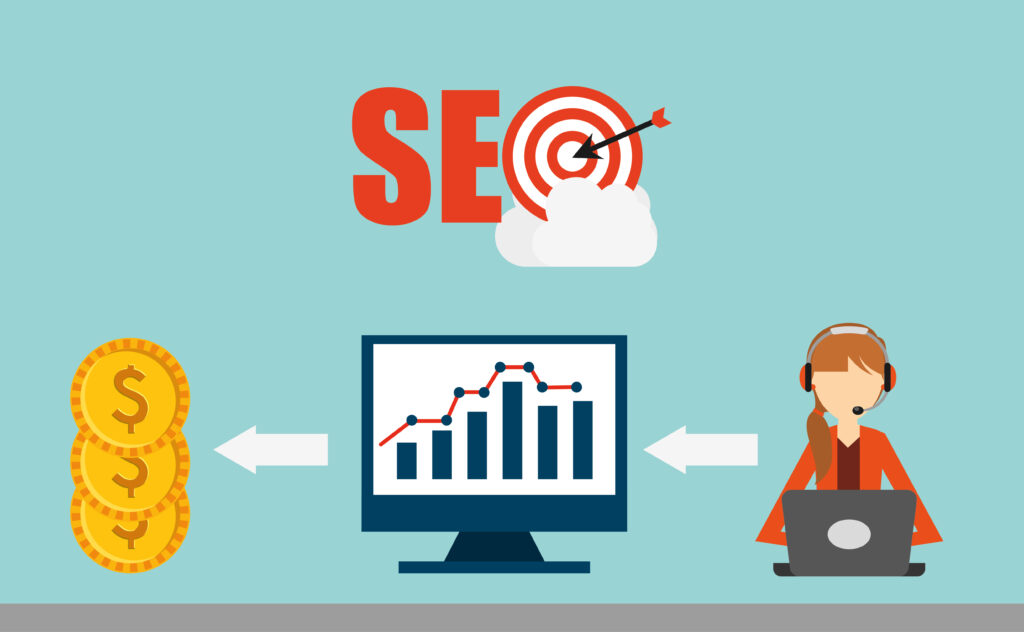
Digital marketing in 2026 is more competitive, expensive, and AI-driven than ever before. Businesses are no longer asking whether they should invest online because digital visibility has become essential for survival. The real question now is where marketing budgets should go to generate the highest possible return on investment. For most companies, that debate comes down to one major decision: SEO vs PPC.
Search behavior has changed dramatically over the last few years. Users are relying more on AI-generated search experiences, conversational queries, and intent-driven discovery systems. At the same time, paid advertising costs continue rising across platforms like Google Ads and Meta. Many industries are now paying significantly higher costs per click compared to previous years, making businesses rethink how sustainable paid advertising really is for long-term growth.
SEO, on the other hand, continues evolving into a long-term authority-building strategy centered around semantic search, EEAT, and topical relevance. While organic growth usually takes more time, it often delivers compounding traffic and stronger brand trust over the long run. This creates a difficult but important decision for businesses trying to maximize ROI while balancing immediate lead generation with sustainable visibility.
The challenge is that there is no universal answer. Some businesses benefit more from long-term SEO investments, while others need fast PPC-driven conversions to grow quickly. In many cases, the best results come from combining both strategies strategically rather than choosing one exclusively.
This guide will break down the real differences between SEO and PPC in 2026, including cost structures, traffic quality, scalability, ROI potential, and long-term sustainability. Let’s dive in!
Understanding SEO in 2026 – A Zoomed-In Look!
Search Engine Optimization, commonly known as SEO, is the process of improving a website’s visibility in organic search results. Unlike paid advertising, SEO focuses on earning traffic naturally through content optimization, technical improvements, semantic relevance, authority building, and user experience enhancements.
In 2026, SEO is no longer just about keywords and backlinks. Modern search engines evaluate websites using AI-driven systems that analyze context, expertise, search intent, topical authority, and trust signals. This means businesses must focus on creating comprehensive and experience-driven digital ecosystems rather than isolated pages optimized for individual terms.
What is SEO?
SEO is a long-term digital marketing strategy designed to increase organic visibility on search engines like Google. The goal is to attract qualified traffic naturally by helping webpages rank higher for relevant searches. Modern SEO typically includes:
- Technical website optimization
- Content strategy and semantic SEO
- Topical authority development
- Internal linking and user experience improvements
- Authority and trust-building signals
Unlike PPC, SEO does not require paying for every click, which makes it highly attractive for sustainable growth.
How SEO Has Changed in the AI Search Era
The rise of AI-powered search experiences has transformed SEO significantly. Search engines are becoming better at understanding meaning instead of simply matching keywords. Today, ranking success depends heavily on:
- Semantic relevance and entity optimization
- Search intent satisfaction
- EEAT principles
- Contextual depth across topics
- User engagement and experience signals
This means websites with shallow or outdated SEO strategies often struggle to compete against authoritative and semantically optimized competitors. Here’s a quick comparison showing how SEO evolved:
Traditional SEO | SEO in 2026 |
Keyword-focused optimization | Intent and semantic optimization |
Isolated blog targeting | Topic clusters and authority ecosystems |
Heavy backlink dependence | Trust + relevance + authority balance |
Exact-match keyword usage | Natural language and entity relationships |
Ranking-focused content | User-focused content experiences |
Modern SEO is now more strategic, technical, and content-driven than ever before.
Key Benefits of SEO for Long-Term Growth
SEO remains one of the most powerful long-term marketing investments because its results compound over time. While it usually requires patience initially, strong organic visibility can generate continuous traffic and leads without paying for every interaction. Some major benefits of SEO include:
- Sustainable long-term organic traffic
- Higher trust and credibility among users
- Better cost efficiency over time
- Stronger topical authority and brand recognition
- Continuous visibility even outside active campaigns
For businesses focused on long-term market positioning, SEO often becomes a foundational growth channel.
Challenges Businesses Face With SEO
Despite its advantages, SEO is not always easy or fast. Many businesses struggle because modern optimization requires consistent strategy, technical expertise, and high-quality content systems.
Some common SEO challenges include:
- Longer time required to see significant results
- Constant algorithm and AI search changes
- High competition in valuable industries
- Need for consistent content and optimization efforts
- Difficulty building authority in competitive niches
SEO rewards consistency and strategic execution rather than short-term tactics. Businesses expecting instant growth often become frustrated before the compounding benefits fully develop.
Let’s Understand PPC in 2026 – A Quick Glance
Pay-Per-Click advertising, commonly known as PPC, is a digital marketing model where businesses pay each time a user clicks on their advertisement. Unlike SEO, which focuses on earning organic visibility over time, PPC allows brands to appear instantly in front of targeted audiences through paid placements.
In 2026, PPC has become far more advanced due to AI-powered targeting, automation, predictive bidding systems, and audience behavior analysis. Platforms like Google Ads and Microsoft Advertising now rely heavily on machine learning to optimize campaigns dynamically in real time.
While PPC offers speed and precision, it also comes with rising competition and increasing advertising costs. Businesses today must manage campaigns strategically to maintain profitability and maximize return on ad spend.
What is PPC Advertising?
PPC advertising allows businesses to place paid ads across search engines, websites, apps, and social media platforms. Advertisers bid on keywords or audience segments, and ads are displayed to users based on relevance and bidding strategies.
Search PPC ads typically appear at the top of search engine results pages, above organic listings.
PPC campaigns commonly include:
- Search engine advertising
- Display and banner ads
- Shopping campaigns
- Video advertising
- Retargeting and remarketing campaigns
Because PPC generates immediate visibility, it is often used for fast lead generation and short-term growth campaigns.
How AI & Automation Are Changing PPC
AI and automation are reshaping PPC management significantly. Modern advertising platforms now optimize bids, targeting, audience segmentation, and ad delivery using machine learning systems.
This automation helps advertisers:
- Improve campaign efficiency faster
- Identify high-converting audiences
- Optimize bidding dynamically
- Predict user behavior more accurately
However, automation also increases competition because many businesses now use similar optimization systems. This makes strategic differentiation more important than simply increasing ad spend.
Here’s how PPC has evolved in recent years:
Traditional PPC | PPC in 2026 |
Manual bidding strategies | AI-powered automated bidding |
Basic demographic targeting | Predictive audience behavior targeting |
Keyword-only optimization | Intent and behavior-driven optimization |
Limited automation tools | Full campaign automation systems |
Static audience segmentation | Dynamic real-time audience adaptation |
PPC today is much more data-driven and AI-assisted than before.
Benefits of PPC for Fast Results
One of the biggest advantages of PPC is speed. Businesses can launch campaigns quickly and begin generating traffic, leads, or sales almost immediately.
This makes PPC highly valuable for:
- New business launches
- Product promotions
- Seasonal campaigns
- Competitive commercial keywords
- Immediate lead generation needs
Some additional PPC benefits include:
- Precise audience targeting
- Fast testing of offers and landing pages
- Flexible budget control
- Measurable and trackable performance data
- High visibility for commercial searches
For businesses needing rapid growth or immediate conversions, PPC can be extremely effective when managed correctly.
Common Limitations of PPC Campaigns
Despite its speed and scalability, PPC also comes with several limitations that businesses must understand before relying on it heavily. One major challenge is sustainability. Once ad spending stops, traffic usually stops immediately as well. Unlike SEO, PPC does not typically provide long-term compounding visibility. Other common PPC limitations include:
- Rising cost-per-click across industries
- Competitive bidding environments
- Ad fatigue and declining engagement
- Dependence on continuous budget allocation
- Lower trust compared to organic rankings in some niches
Businesses relying entirely on paid advertising often face increasing acquisition costs over time if campaigns are not optimized strategically.
SEO vs PPC: Core Differences Explained
SEO and PPC are both powerful digital marketing channels, but they operate very differently in terms of traffic generation, cost structure, scalability, trust, and long-term sustainability.
Understanding these differences is important because the right investment depends heavily on business goals, timelines, competition levels, and marketing budgets. While some companies prioritize long-term organic authority, others focus on fast conversions and rapid visibility.
The key is understanding how each channel contributes to overall ROI.
Organic Traffic vs Paid Traffic
The most obvious difference between SEO and PPC is the source of traffic itself. SEO generates organic traffic naturally through unpaid search visibility, while PPC generates traffic through paid advertisements.
Organic traffic often:
- Builds gradually over time
- Feels more trustworthy to users
- Continues generating visibility without paying per click
- Supports long-term authority growth
Paid traffic, on the other hand:
- Delivers immediate visibility
- Requires ongoing advertising spend
- Can target highly specific audiences quickly
- Stops when campaigns pause
Both channels can be highly valuable depending on business goals and timelines.
Long-Term Investment vs Immediate Visibility
SEO and PPC differ heavily in how quickly results appear. SEO is generally a long-term investment because rankings and authority take time to develop. Businesses may wait several months before seeing strong organic growth.
PPC delivers:
- Instant visibility and clicks
- Faster lead generation opportunities
- Immediate testing capabilities
- Short-term campaign flexibility
SEO delivers:
- Compounding organic traffic growth
- Long-term authority and visibility
- Sustainable traffic without ongoing click costs
- Greater stability over time
This difference makes PPC ideal for immediate goals, while SEO is stronger for sustainable growth strategies.
Cost Structure Comparison
The financial structure of SEO and PPC differs significantly, which affects long-term ROI calculations. Here’s a simple comparison:
SEO | PPC |
Higher upfront investment in strategy and content | Continuous ad spending required |
No direct cost per click | Pay for every visitor click |
Long-term compounding returns | Immediate but temporary visibility |
Organic traffic scales over time | Traffic depends on active budget |
Lower acquisition cost long term | Higher ongoing acquisition costs |
SEO usually becomes more cost-efficient over time, while PPC offers faster but more expensive visibility.
Trust & Brand Authority Differences
Organic rankings often create stronger trust among users because people generally view unpaid results as more credible and authoritative than advertisements.
SEO helps businesses build:
- Long-term topical authority
- Brand trust and recognition
- Stronger informational visibility
- Thought leadership within a niche
PPC, however, excels at:
- Immediate promotional visibility
- Commercial keyword targeting
- Aggressive competitive positioning
- Fast campaign scaling opportunities
Businesses with strong organic visibility often develop more sustainable brand authority over time.
Scalability & Sustainability Comparison
Both SEO and PPC can scale effectively, but they scale differently.
PPC scalability is usually budget-driven. Increasing spend often increases visibility and traffic quickly, although rising costs can reduce profitability over time.
SEO scalability is more authority-driven. As content ecosystems and topical relevance grow, organic traffic often compounds naturally.
SEO is generally:
- More sustainable long term
- Better for ongoing authority development
- Less dependent on constant financial input per click
PPC is generally:
- Faster to scale initially
- Easier for rapid testing and targeting
- Stronger for short-term campaigns and launches
The best choice often depends on whether a business prioritizes immediate results or long-term digital asset growth.
ROI Comparison: SEO vs PPC in 2026
Return on investment is ultimately the biggest factor behind the SEO vs PPC decision. Businesses are not simply looking for traffic anymore because traffic alone does not guarantee growth. The real goal is generating profitable leads, sustainable visibility, and long-term revenue efficiently.
In 2026, both SEO and PPC can deliver strong ROI when executed correctly, but the type of return they generate is very different. PPC often produces faster short-term outcomes, while SEO tends to create stronger long-term compounding growth. Understanding how each channel impacts acquisition costs, conversions, and scalability helps businesses make smarter investment decisions.
Short-Term ROI Analysis
PPC generally delivers faster short-term ROI because campaigns can begin generating traffic and leads immediately after launch. Businesses needing urgent visibility often prefer PPC because there is no waiting period for rankings to build.
This makes PPC especially valuable for:
- New product launches
- Time-sensitive campaigns
- Seasonal promotions
- Immediate lead generation goals
- Competitive commercial searches
SEO, however, usually requires more patience before major returns become visible. Initial investments often go toward:
- Content creation and optimization
- Technical SEO improvements
- Authority and trust building
- Semantic and topical development
In the short term, PPC usually wins on speed and immediate lead generation potential.
Long-Term ROI Potential
While PPC generates fast visibility, SEO often produces stronger long-term ROI because organic traffic compounds over time.
A well-optimized website can continue generating traffic and leads for months or years without paying for each individual visitor. This creates a cumulative return effect that becomes increasingly cost-efficient as authority grows.
Long-term SEO benefits often include:
- Lower acquisition costs over time
- Continuous organic traffic generation
- Stronger brand authority and trust
- Greater visibility across multiple search variations
- Long-lasting content value and discoverability
Businesses focused on sustainable growth often see SEO become one of their highest ROI marketing channels after the initial growth period.
Customer Acquisition Cost Comparison
Customer acquisition cost, commonly known as CAC, is one of the most important metrics in digital marketing. It measures how much a business spends to acquire each customer.
PPC often has:
- Higher immediate acquisition costs
- Strong dependence on bidding competition
- Increasing costs in saturated industries
- More predictable short-term scaling
SEO often has:
- Higher upfront investment costs initially
- Lower acquisition costs long term
- More scalable compounding traffic growth
- Reduced dependency on direct advertising spend
Here’s a simplified comparison:
Factor | SEO | PPC |
Initial Speed | Slower | Faster |
Cost Per Click | No direct CPC | Paid for every click |
Long-Term CAC | Usually lower | Often higher |
Sustainability | High | Budget dependent |
Scalability | Authority-driven | Spend-driven |
Over time, strong SEO systems usually become more financially efficient.
Conversion Quality & Intent
Traffic quality matters just as much as traffic quantity. A smaller volume of highly targeted visitors can often outperform large amounts of untargeted traffic.
PPC performs exceptionally well for:
- High-commercial-intent searches
- Transactional keywords
- Immediate purchase-driven queries
- Highly targeted audience campaigns
SEO performs strongly for:
- Informational and research-based searches
- Building long-term trust before conversion
- Educational content marketing funnels
- Multi-stage customer journeys
Organic visitors often spend more time engaging with a brand before converting, which can improve long-term customer value and trust.
Which Strategy Offers Better Compounding Growth?
Compounding growth is where SEO has a major long-term advantage. Every optimized article, backlink, internal link, and semantic improvement strengthens the website’s authority over time.
This means SEO growth often accelerates as:
- More content gets indexed
- Topical authority expands
- Internal linking strengthens
- Brand trust increases
- Organic rankings improve collectively
PPC growth, however, remains heavily tied to advertising budgets. If campaigns stop, visibility usually declines immediately.
For businesses thinking long term, SEO behaves more like building a digital asset, while PPC behaves more like renting visibility temporarily.
When SEO is the Better Investment?
SEO is not always the fastest marketing strategy, but it often becomes the strongest long-term investment for businesses focused on sustainability, authority, and scalable organic growth.
Companies that understand the long-term value of content ecosystems, semantic SEO, and topical authority usually gain significant competitive advantages through consistent SEO investment.
Businesses Focused on Long-Term Growth
Businesses aiming for sustainable growth often benefit heavily from SEO because it creates long-lasting visibility rather than temporary exposure.
SEO is especially effective for companies that:
- Want consistent inbound traffic over time
- Prioritize long-term brand authority
- Have patience for gradual growth
- Want lower acquisition costs long term
Unlike PPC campaigns that stop generating results once budgets pause, SEO assets can continue producing value continuously.
Brands Building Topical Authority
Modern SEO heavily rewards websites that demonstrate expertise within specific subject areas.
Brands investing in:
- Topic clusters
- Semantic SEO
- Educational content ecosystems
- Internal linking structures
often build stronger authority and visibility across entire search categories rather than individual keywords alone.
This is especially valuable in industries where trust and expertise strongly influence customer decisions.
Companies With Consistent Content Strategies
SEO performs best when businesses publish high-quality content consistently over time. Companies willing to invest in long-form guides, educational resources, and semantic optimization usually gain stronger compounding results.
Strong content-driven SEO strategies often include:
- Pillar pages and supporting clusters
- EEAT-focused educational content
- Regular content updates and expansion
- Intent-driven optimization
Consistency is one of the biggest factors behind long-term SEO success.
Businesses Targeting Organic Visibility Globally
SEO can scale internationally more efficiently than PPC in many cases because businesses are not paying for every single click across multiple regions continuously.
Global SEO advantages often include:
- Broader long-term discoverability
- Multi-region organic visibility
- Scalable content ecosystems
- Better long-term cost efficiency
For agencies like Digilite Solutions that work with both local and international clients, SEO can become a major driver of sustainable global reach.
When PPC is the Better Investment?
While SEO excels in long-term authority building, PPC often becomes the better investment when businesses need immediate visibility, rapid testing capabilities, or highly targeted lead generation.
In competitive industries or fast-moving campaigns, waiting months for SEO growth may not be practical. This is where PPC provides a major advantage.
Launching a New Product or Service
New businesses or product launches often need visibility immediately because organic rankings take time to develop. PPC helps by:
- Driving traffic instantly
- Generating early leads and awareness
- Testing messaging and offers quickly
- Reaching targeted audiences immediately
This speed makes PPC extremely useful during launch phases.
Businesses Needing Immediate Leads
Some industries rely heavily on quick lead generation and cannot afford to wait for long-term organic growth. PPC works particularly well for:
- Emergency services
- High-intent commercial industries
- Event promotions
- Time-sensitive campaigns
Because ads appear instantly, businesses can begin generating inquiries and conversions much faster.
Short-Term Campaign & Seasonal Promotions
SEO is not ideal for short-term promotions because ranking improvements often require months of optimization.
PPC, however, allows businesses to:
- Launch campaigns instantly
- Target seasonal opportunities quickly
- Control budget and duration precisely
- Pause or scale campaigns flexibly
This makes PPC highly effective for limited-time campaigns and promotions.
High-Competition Commercial Keywords
Some commercial keywords are extremely difficult to rank for organically, especially in industries dominated by authoritative competitors.
PPC provides an opportunity to:
- Compete for visibility immediately
- Target transactional searches directly
- Appear above organic competitors
- Capture high-intent traffic faster
For highly competitive markets, PPC can provide faster market entry while SEO authority develops gradually in the background.
Why Combining SEO & PPC Often Delivers the Best ROI
Many businesses approach SEO and PPC as competing strategies when, in reality, they often work best together. In 2026, integrated search marketing is becoming increasingly important because customer journeys are more complex, search behavior is fragmented across platforms, and competition for visibility continues growing.
SEO and PPC complement each other by balancing short-term and long-term growth. PPC provides immediate traffic and rapid testing opportunities, while SEO builds sustainable authority and compounding organic visibility. Businesses that combine both strategically often achieve stronger overall ROI than those relying entirely on one channel alone.
An integrated strategy also improves market coverage because brands can appear in both paid and organic search results simultaneously, increasing visibility and trust significantly.
Using PPC Data to Improve SEO Strategy
One major advantage of PPC is the speed at which performance data becomes available. Businesses can quickly identify which keywords, offers, landing pages, and messaging generate the best engagement and conversions.
This data becomes highly valuable for SEO planning because it helps businesses prioritize high-performing topics and search intent patterns. PPC insights can help SEO by:
- Identifying high-converting keywords
- Understanding user intent more accurately
- Testing headlines and content angles
- Discovering strong landing page opportunities
Instead of guessing which topics may work organically, businesses can use PPC data to make smarter SEO decisions faster.
Dominating Both Paid & Organic Search Results
Appearing in both paid ads and organic results increases overall search visibility dramatically. Users often notice brands more frequently when they occupy multiple positions within search results pages. This dual visibility can:
- Increase brand recognition and credibility
- Improve overall click-through opportunities
- Reduce competitor visibility share
- Strengthen authority perception among users
For highly competitive keywords, combining SEO and PPC creates a stronger market presence compared to relying on a single channel alone.
Retargeting Organic Visitors Through PPC
Not every organic visitor converts immediately. Many users research multiple options before making decisions, especially in high-value industries. PPC retargeting helps businesses reconnect with those visitors after they leave the website. Retargeting strategies often include:
- Display ads for previous visitors
- Social media remarketing campaigns
- Product or service reminder ads
- Conversion-focused follow-up campaigns
This approach allows businesses to maximize the value of organic traffic by nurturing visitors further through paid advertising.
Building a Full-Funnel Digital Marketing Strategy
SEO and PPC support different stages of the customer journey. Combining them creates a stronger full-funnel strategy capable of attracting, educating, and converting users more effectively. Here’s a simplified comparison:
Funnel Stage | SEO Contribution | PPC Contribution |
Awareness | Educational content & organic visibility | Display and discovery ads |
Consideration | Guides, comparisons, topical authority | Retargeting and search ads |
Conversion | Trust-building through organic presence | High-intent conversion campaigns |
Retention | Ongoing content engagement | Remarketing campaigns |
Integrated marketing creates a much more balanced and scalable growth system.
Wrapping It Up!
The SEO vs PPC debate in 2026 is not about deciding which channel is universally better. It is about understanding which strategy aligns best with your business goals, timelines, competition level, and growth expectations.
For many businesses, the strongest approach is not choosing one over the other but combining both strategically. SEO builds long-term authority while PPC provides immediate market reach and valuable performance insights. Together, they create a balanced and scalable digital marketing ecosystem capable of driving stronger ROI across both short-term and long-term growth goals.
Frequently Asked Questions
Is SEO better than PPC in 2026?
SEO is generally better for long-term organic growth and sustainable visibility, while PPC is stronger for immediate traffic and lead generation. The best choice depends on business goals and timelines.
Which gives faster results, SEO or PPC?
PPC delivers faster results because ads can begin generating traffic immediately after launch. SEO typically requires more time to build authority and rankings organically.
Does PPC help SEO rankings?
PPC does not directly improve SEO rankings, but PPC data can help businesses identify high-performing keywords, audience behavior, and landing page opportunities that strengthen SEO strategy.
Is SEO cheaper than PPC long term?
SEO often becomes more cost-efficient long term because businesses are not paying for every click continuously. PPC requires ongoing advertising spend to maintain visibility.
Should small businesses invest in SEO or PPC first?
Small businesses often benefit from a balanced approach. PPC can generate immediate leads while SEO builds long-term authority and sustainable organic visibility over time.
About Us
Digilite Solutions is a leading digital marketing agency in Karachi, Pakistan, delivering global digital marketing solutions designed for measurable impact. By combining data driven marketing, advanced SEO services, PPC management, and creative branding, we help businesses achieve scalable growth.