April 28, 2026
Guid
Technical SEO in 2026: Core Web Vitals, Indexing & Crawlability
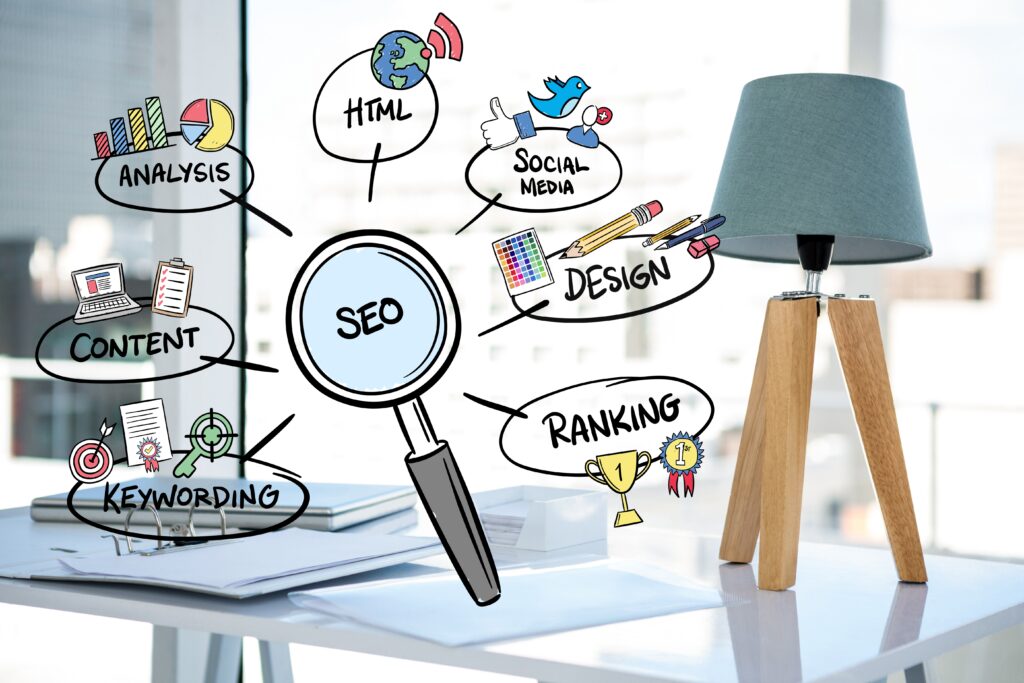
Over 90% of online experiences still begin with a search engine, and in 2026, technical performance plays a bigger role in rankings than ever before. With Google’s continued focus on user experience signals like Core Web Vitals, even a one-second delay in load time can significantly impact bounce rates and conversions. Websites that fail to meet technical benchmarks risk losing visibility, regardless of how strong their content strategy may be.
Technical SEO in 2026 goes far beyond basic site optimization. It now revolves around creating fast, accessible, and easily crawlable websites that both users and search engines can navigate effortlessly. From optimizing Core Web Vitals to ensuring efficient crawlability and accurate indexing, every technical element contributes to how well your site performs in search engine results pages.
As search algorithms become smarter and more user-centric, businesses must stay ahead by refining their technical foundations. In this guide, we’ll break down the most important aspects of technical SEO, helping you build a website that is not only optimized for search engines but also delivers a seamless user experience, let’s dive into this detailed guide.
What is Technical SEO in 2026?
Technical SEO has become the backbone of sustainable search visibility. While great content and keyword targeting still matter, they can only perform well when supported by a technically sound website. In 2026, search engines are far more focused on user experience, site performance, and accessibility, which makes technical SEO a critical pillar rather than a supporting element.
Technical SEO refers to the process of optimizing a website’s infrastructure so that search engines can crawl, understand, and index it efficiently. It ensures that your website meets the technical requirements of modern search engines while also delivering a smooth experience to users.
Evolution of Technical SEO
In earlier years, technical SEO focused mainly on fixing crawl errors and submitting sitemaps. Today, it has evolved into a more comprehensive discipline that includes performance optimization, mobile usability, and AI-driven indexing signals. Search engines now evaluate how users interact with your site, which means technical SEO directly influences engagement metrics.
Why Technical SEO Still Matters
Technical SEO remains essential because it acts as the foundation for all other SEO efforts. Even the best content may struggle to rank if a website is slow, difficult to crawl, or improperly indexed. A technically optimized site improves visibility, enhances user experience, and increases the likelihood of higher conversions.
Understanding Core Web Vitals in 2026
Core Web Vitals are a set of performance metrics that measure how users experience a webpage. They focus on loading speed, interactivity, and visual stability, which are all key indicators of user satisfaction.
Before diving into specific ranking factors, it is important to understand how performance metrics shape modern SEO strategies.
What Are Core Web Vitals?
These metrics provide measurable insights into how well your site performs in real-world conditions. The three primary signals continue to play a major role in 2026.
Largest Contentful Paint (LCP)
LCP measures how quickly the main content of a page loads. A faster LCP ensures that users can access meaningful content without delays.
Interaction to Next Paint (INP)
INP evaluates how responsive a page is when users interact with it. It replaces older metrics and provides a more accurate picture of responsiveness.
Cumulative Layout Shift (CLS)
CLS tracks visual stability by measuring unexpected layout shifts. A stable layout prevents frustration and improves usability.
How Core Web Vitals Impact Rankings
Search engines consider these metrics as part of the overall page experience. Websites that perform well tend to rank higher because they offer a smoother and more reliable user journey.
Best Practices to Optimize Core Web Vitals
Improving these metrics requires a combination of technical and design improvements. Reducing heavy scripts, optimizing images, and using efficient hosting solutions can significantly improve performance. Minimizing layout shifts and ensuring fast server response times also contribute to better results.
Once performance is optimized, the next step is ensuring that search engines can properly access your website.
Website Crawlability: Making Your Site Accessible
Crawlability determines how easily search engine bots can discover and navigate your website. If your site is difficult to crawl, important pages may never appear in search results.
What is Crawlability?
Crawlability refers to the ability of search engines to access and scan your website’s content. Bots follow links to move from one page to another, which makes internal linking and structure extremely important.
Key Factors Affecting Crawlability
Several elements influence how effectively search engines can crawl your site. A clear site structure, proper internal linking, and well-maintained XML sitemaps are essential. Robots.txt files also play a crucial role by guiding bots on which pages to access or ignore.
Common Crawlability Issues
Websites often face issues such as broken links, orphan pages that are not linked internally, and long redirect chains. These problems can waste crawl budget and reduce visibility.
Best Practices to Improve Crawlability
Maintaining a logical hierarchy and clean URL structure helps search engines understand your site better. Regular audits to fix crawl errors and updating sitemaps ensure that all important pages remain accessible.
After ensuring crawlability, the focus shifts to how search engines store and display your content.
Indexing in 2026: Ensuring Your Pages Get Ranked
Indexing is the process through which search engines store and organize your content after crawling it. Only indexed pages can appear in search results, which makes this step crucial.
What is Indexing?
While crawling is about discovering content, indexing is about evaluating and storing it. Search engines analyze content quality, relevance, and structure before adding pages to their index.
How Search Engines Index Content Today
Modern indexing relies heavily on AI and semantic understanding. Search engines can now interpret context, intent, and relationships between topics, which makes structured and high-quality content more important than ever.
Common Indexing Issues
Some common problems include incorrect use of no-index tags, duplicate content, and thin pages that lack value. These issues can prevent pages from being indexed or reduce their ranking potential.
Best Practices for Better Indexing
Using canonical tags helps avoid duplication issues, while mobile-first optimization ensures compatibility across devices. Submitting updated sitemaps and regularly reviewing indexed pages can improve overall performance.
To simplify these concepts, here is a quick comparison of key technical SEO elements and their impact:
Aspect | Key Focus Area | Impact on SEO |
Core Web Vitals | Speed and user experience | Higher rankings and lower bounce rates |
Crawlability | Site accessibility for bots | Better discovery of pages |
Indexing | Content storage and evaluation | Visibility in search results |
Site Structure | Internal linking and hierarchy | Improved navigation and ranking signals |
With these fundamentals in place, it becomes easier to implement a structured optimization approach.
Technical SEO Checklist for 2026
A well-defined checklist of technical SEO helps ensure that no critical aspect is overlooked. Regular monitoring and updates are necessary to maintain performance.
Website Performance
Focus on improving loading speed and ensuring mobile responsiveness. Fast and responsive websites create better user experiences and rank higher.
Crawl and Index Optimization
Keep your sitemap updated and review robots.txt settings regularly. Fix crawl errors and ensure that important pages are indexed correctly.
Structured Data and Schema
Adding structured data helps search engines understand your content better. It can also enhance your visibility through rich results.
Security and Accessibility
Using HTTPS is essential for trust and security. Accessibility improvements ensure that your website can be used by a wider audience, which indirectly benefits SEO.
As search technology continues to evolve, it is important to stay prepared for upcoming changes.
The Future of Technical SEO
Technical SEO is moving towards automation and intelligent optimization. AI tools are helping identify issues faster and provide actionable recommendations.
AI and Automation in SEO
Automation is simplifying complex processes such as site audits and performance tracking. This allows marketers to focus more on strategy and less on manual tasks.
Voice Search and Visual Search Impact
With the growth of voice and visual search, websites need to be structured in a way that supports different types of queries and formats.
Continuous Optimization Strategy
Technical SEO is not a one-time effort. It requires ongoing monitoring, testing, and improvements to stay aligned with evolving algorithms.
Conclusion
Technical SEO in 2026 is no longer optional. It is a core component of any successful digital strategy. From optimizing Core Web Vitals to improving crawlability and ensuring proper indexing, every element plays a role in achieving higher rankings and better user experience. By building a strong technical foundation and continuously refining it, businesses can stay competitive in an increasingly complex search landscape.
Frequently Asked Questions
1. What is technical SEO and why is it important in 2026?
Technical SEO focuses on optimizing your website’s backend structure to help search engines crawl and index it efficiently. In 2026, it is crucial because user experience and performance directly impact rankings. Without it, even high-quality content may not perform well.
2. How do Core Web Vitals affect SEO rankings?
Core Web Vitals measure loading speed, interactivity, and visual stability of a website. Search engines use these signals to evaluate user experience. Better scores often lead to improved rankings and lower bounce rates.
3. What is the difference between crawling and indexing?
Crawling is when search engine bots discover and scan your website pages. Indexing is the process of storing and organizing that content in search engines. Only indexed pages are eligible to appear in search results.
4. How can I improve my website’s crawlability?
You can improve crawlability by maintaining a clear site structure and strong internal linking. Submitting an updated XML sitemap and fixing broken links also helps. Regular audits ensure search engines can access all important pages.
5. Why are some of my pages not getting indexed?
Pages may not be indexed due to issues like noindex tags, duplicate content, or low-quality content. Poor internal linking can also prevent discovery. Fixing these issues increases the chances of proper indexing.
About Us
Digilite Solutions is a leading digital marketing agency in Karachi, Pakistan, delivering global digital marketing solutions designed for measurable impact. By combining data driven marketing, advanced SEO services, PPC management, and creative branding, we help businesses achieve scalable growth.